Yes—a wall printing business can be profitable in 2026.
But the printer itself does not create the profit.
The businesses that make money are the ones that can consistently sell enough projects at the right price to cover equipment, labor, travel, marketing, maintenance, and other operating costs.
That is why the most important question is not:
“How much profit can a wall printer make?”
It is:
“Can I generate enough profitable wall-printing projects every month?”
For a new wall printing business, profitability mainly depends on five numbers:
Average project value, projects per month, variable cost per project, monthly fixed costs, and customer acquisition cost.
If those numbers work, the business can generate attractive margins.
If the printer spends most of the month sitting unused, even a low-cost machine becomes a poor investment.
How Much Can a Wall Printing Business Actually Make?
Wall printing is a service business, not an ink-selling business.
Customers are paying for the complete result: artwork preparation, customization, machine setup, on-site printing, travel, technical skill, and the finished mural.
This is why comparing ink cost directly with the selling price of a mural can make the business look much more profitable than it really is.
The better way to look at profitability is through contribution margin per project.
Imagine an average mural sells for $1,200.
If ink, travel, direct labor, wall preparation, and other job-specific expenses total $300, the project contributes:
$1,200 – $300 = $900
That $900 must first pay your monthly fixed costs. Anything left after that becomes operating profit.
If your monthly fixed costs are $2,700:
$2,700 ÷ $900 = 3 projects
In this simplified example, you need roughly three average jobs per month to cover fixed costs.
The fourth and later projects begin contributing toward profit.
This is a much more useful way to evaluate a wall printer than relying on a supplier promising that the machine will “pay for itself in six months.”
Actual payback depends on how many jobs you sell.
If your total startup investment is $10,000 and the business generates $2,000 in monthly net profit, the theoretical payback is five months.
If you generate only $500 in monthly profit, the same machine takes much longer to recover.
Utilization—not maximum printing speed—is what determines ROI.
The same principle applies when setting prices.
A mural that takes only two hours to print may still require artwork preparation, customer communication, one hour of travel, machine setup, cleaning, and packing.
Your price needs to cover the complete project, not just the time the printhead is moving.
This is also why many operators benefit from minimum project charges and travel fees.
Small jobs can still be profitable, but only when setup and travel do not consume most of the margin.
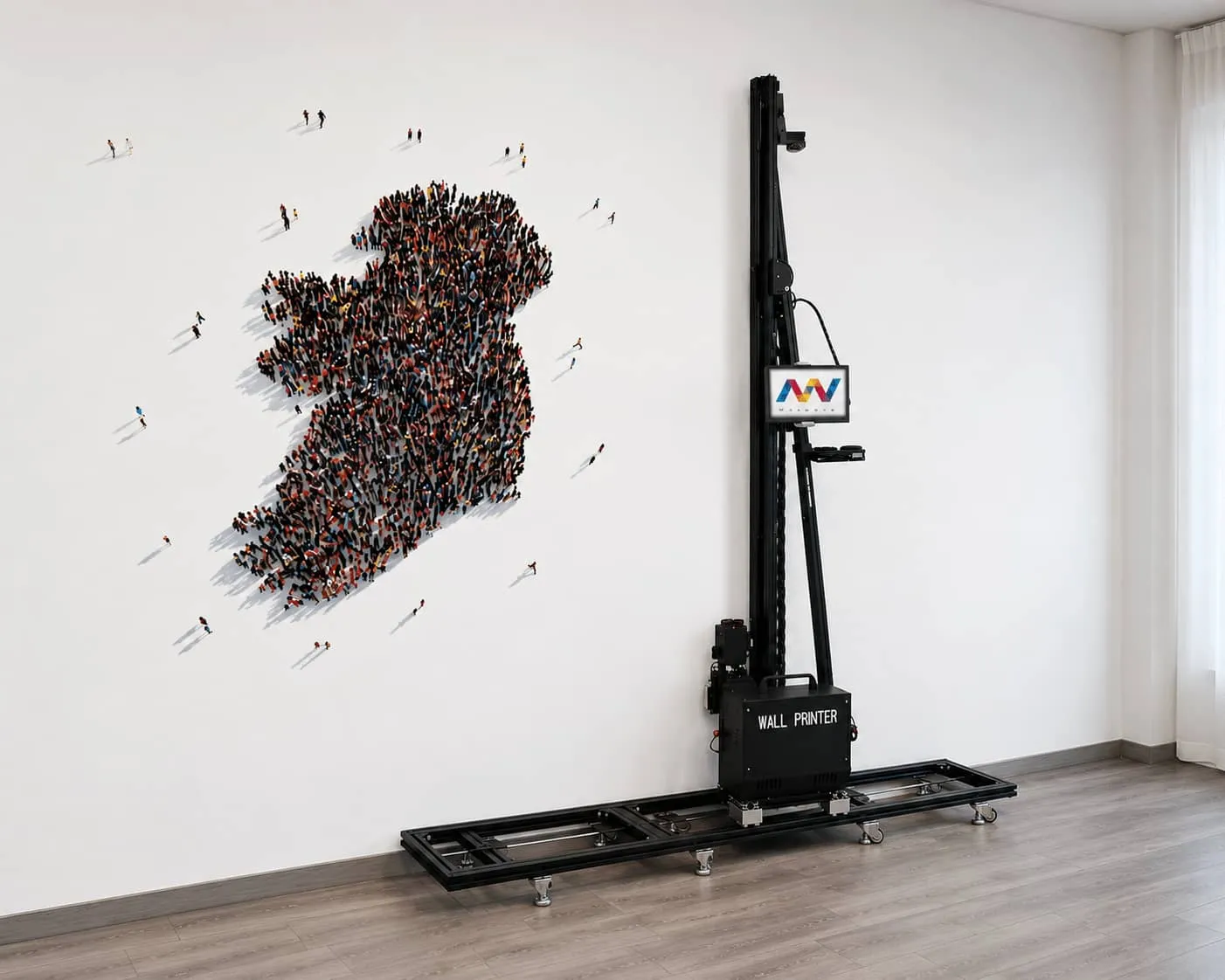
What Determines Whether the Business Is Profitable?
The biggest factor is steady demand.
A printer sitting in a warehouse has depreciation and maintenance costs but produces no revenue.
This means customer acquisition is often more important than saving a few dollars on ink.
A wall-printing startup may need a website, Google Business Profile, social media content, sample walls, photography, video, local advertising, direct outreach, and partnerships with businesses that already serve interior customers.
This is particularly important because many potential buyers still need to see the technology before they understand what it can do.
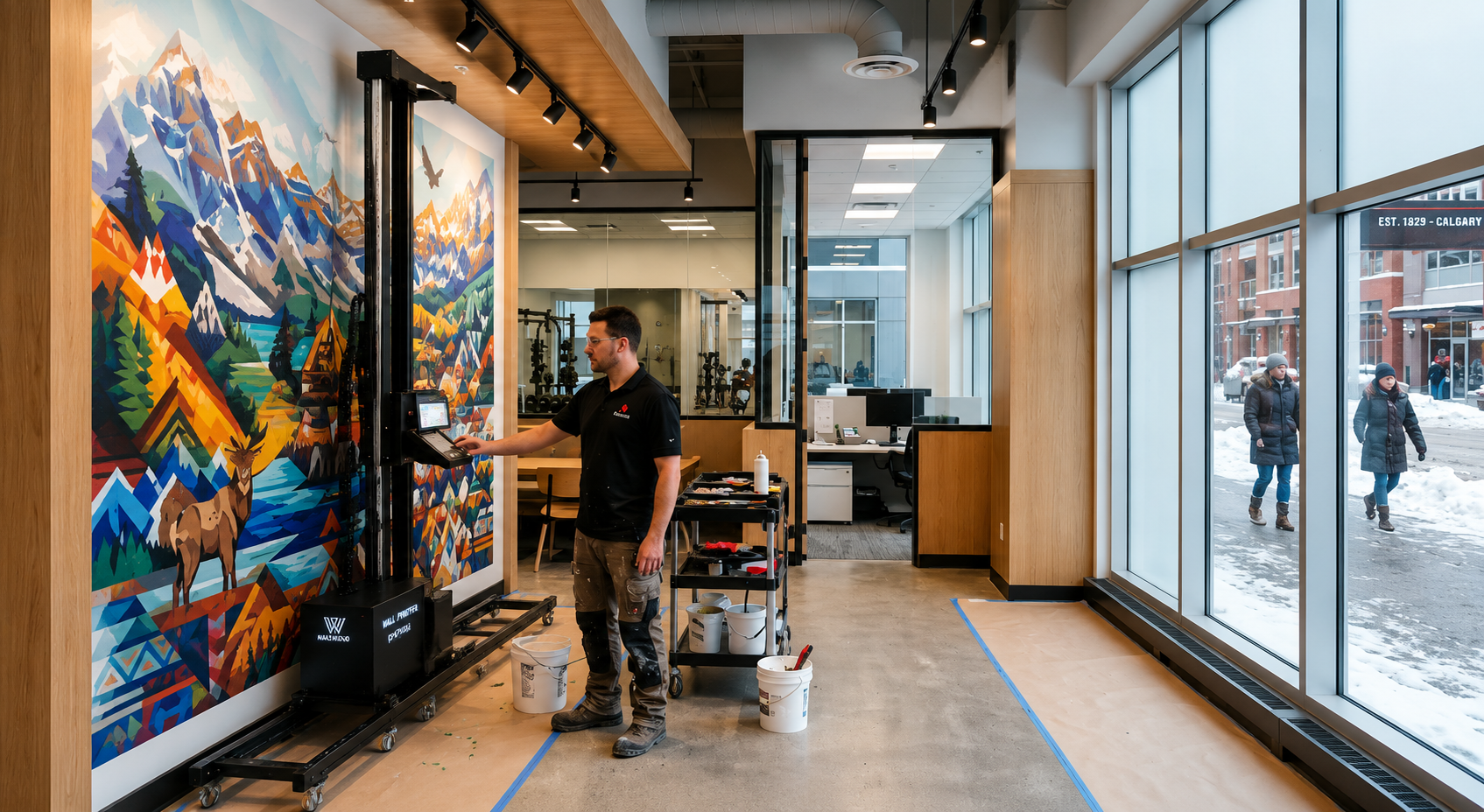
Videos showing a wall mural printing machine creating a mural directly on the wall are therefore especially useful for sales and marketing.
The second factor is pricing discipline.
New operators sometimes underprice jobs to win their first customers.
That can work temporarily when building a portfolio, but it becomes dangerous when low pricing does not cover travel, artwork preparation, maintenance, advertising, and downtime.
A wall printing business should be priced as a professional customization service—not as ink per square meter.
The third factor is equipment investment.
Buying more machine than your current market needs can slow down the return on investment.
A startup printing cafés, bedrooms, restaurants, offices, and small retail spaces may not need the same production capacity as a contractor handling large commercial rollouts.
The better approach is to choose equipment that can comfortably complete your expected projects while leaving enough capital for marketing, spare parts, transportation, and working cash.
Your budget should therefore include more than the printer.
Consider:
Machine and software, starter ink, spare parts, shipping, transport equipment, insurance, marketing, website costs, maintenance, and working capital.
A $6,000 machine with money left to acquire customers can sometimes be a healthier business investment than an $11,000 machine that consumes your entire startup budget.
The final factor is operating efficiency.
Travel routes, setup time, wall preparation, artwork workflow, and machine reliability all affect how many profitable jobs you can complete in a week.
A slightly slower printer with reliable operation can be more profitable than a faster machine that creates frequent maintenance problems.
For a service business, the real measure is:
Profit per working day—not only square meters per hour.
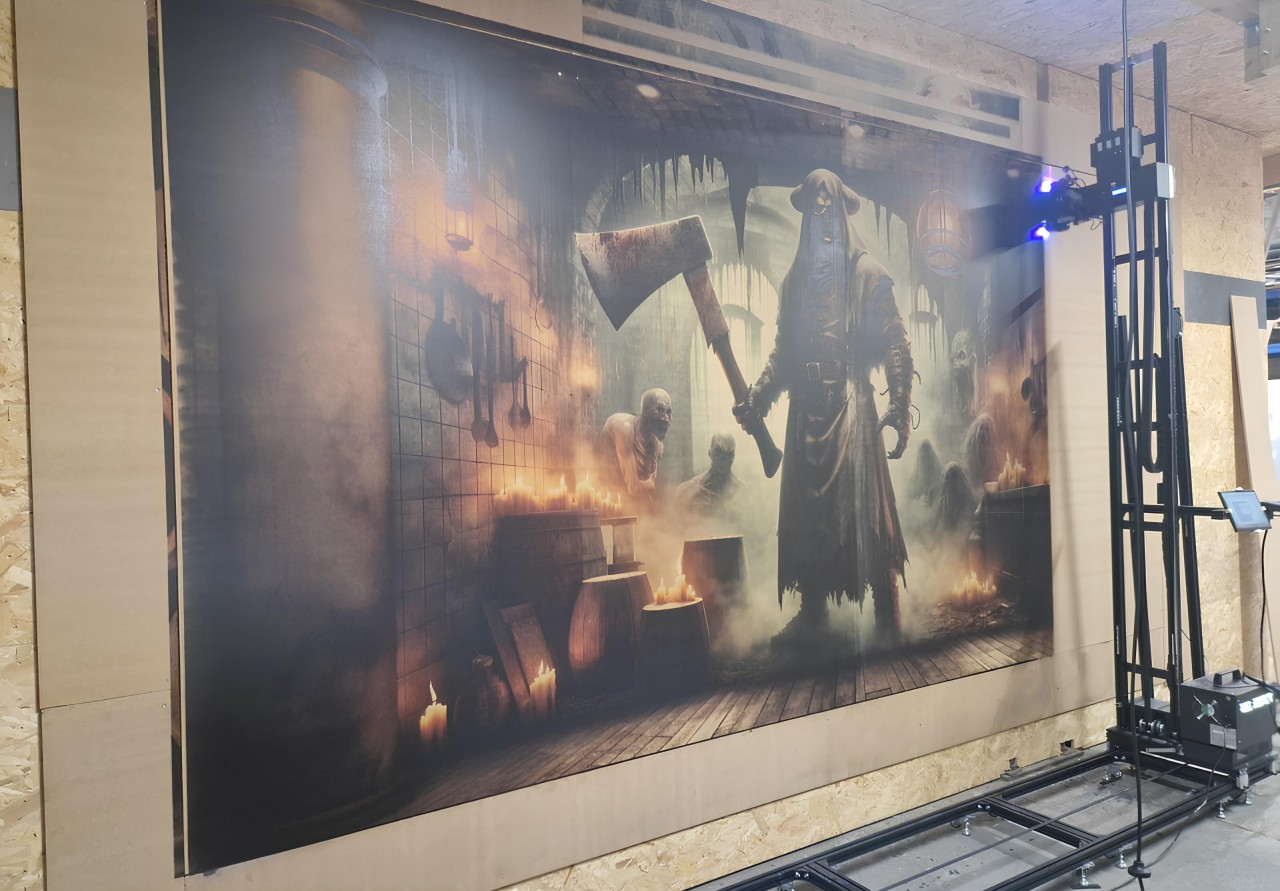
Which Customers Make a Wall Printing Business More Profitable?
Residential murals can generate good projects, especially when you are building a local portfolio.
Bedrooms, children's rooms, garages, entertainment rooms, home offices, and feature walls are all legitimate markets.
The limitation is that most homeowners buy only once.
That means every new project usually requires another new customer.
Commercial customers can change the economics because one relationship can lead to repeated projects.
Restaurants and cafés may need decorative walls, branded areas, menus, or multiple locations.
Retail stores may need feature walls, product graphics, seasonal displays, or brand storytelling.
Hotels can use direct wall printing for lobbies, rooms, restaurants, corridors, and entertainment areas.
Offices may need reception logos, company-history walls, culture graphics, and meeting-room decoration.
Schools, childcare centers, gyms, clinics, salons, and entertainment venues also provide recurring applications.
But some of the strongest customers may actually be businesses that already control multiple interior projects.
Interior designers, renovation contractors, sign companies, architects, property managers, and commercial decorators can repeatedly bring wall-printing opportunities.
Instead of finding ten separate homeowners yourself, one interior designer may introduce you to ten projects.
That is why a profitable wall printing machine business should gradually move from:
One customer → one mural
toward:
One business relationship → multiple murals
This improves both revenue predictability and customer-acquisition efficiency.
A healthy startup can still combine residential and commercial work.
Residential projects are useful for cash flow, reviews, photography, and portfolio development.
Commercial partnerships provide the repeatability needed to build a more stable business.
The highest-profit customer is not necessarily the one with the largest mural.
A $2,000 job requiring long-distance travel, complicated preparation, and two working days may produce less profit than a $1,200 local project completed efficiently.
When evaluating customers, look at:
Project price – direct costs – total working time
rather than project price alone.
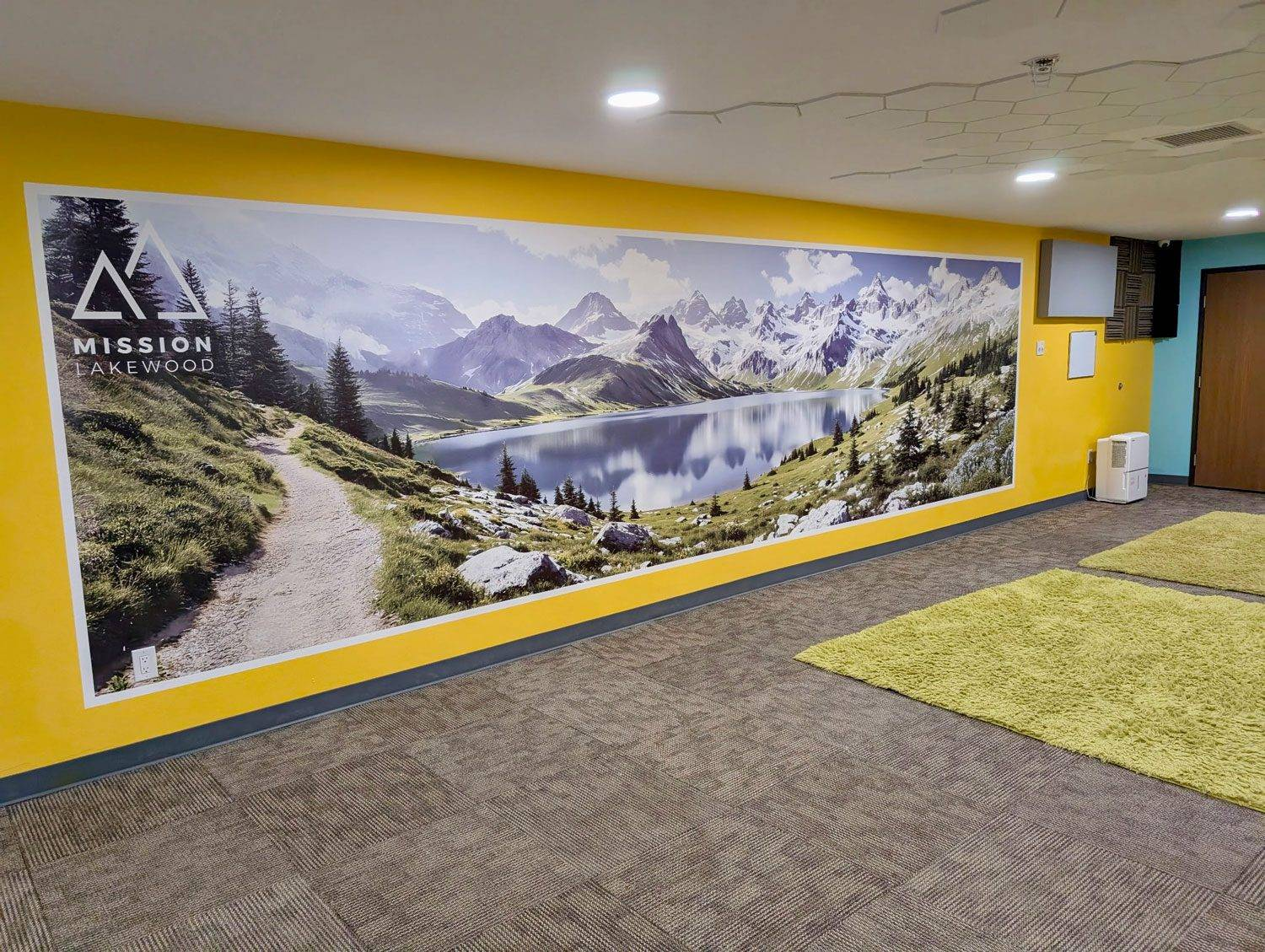
How to Know Whether Wall Printing Will Be Profitable for You
Before buying a machine, build a simple spreadsheet.
You do not need a complicated business model.
Estimate:
Total startup investment
Average project price
Average variable cost per project
Monthly fixed costs
Realistic projects per month
Marketing/customer acquisition cost
Then test three scenarios.
In a conservative scenario, assume customer acquisition is slower than expected and project prices are slightly lower.
Can the business still survive?
In a realistic scenario, estimate the number of projects you genuinely believe you can sell—not the number the machine could theoretically print.
Does the expected monthly profit justify the investment?
Then consider a stronger-demand scenario.
If partnerships and marketing work well, can your printer handle the increased workload without creating a bottleneck?
This process tells you whether the business model works in your market before you commit too much capital.
You should also validate demand before buying.
Talk to local restaurants, designers, sign shops, contractors, cafés, hotels, schools, retailers, and property managers.
Find out what they currently use for decorative walls.
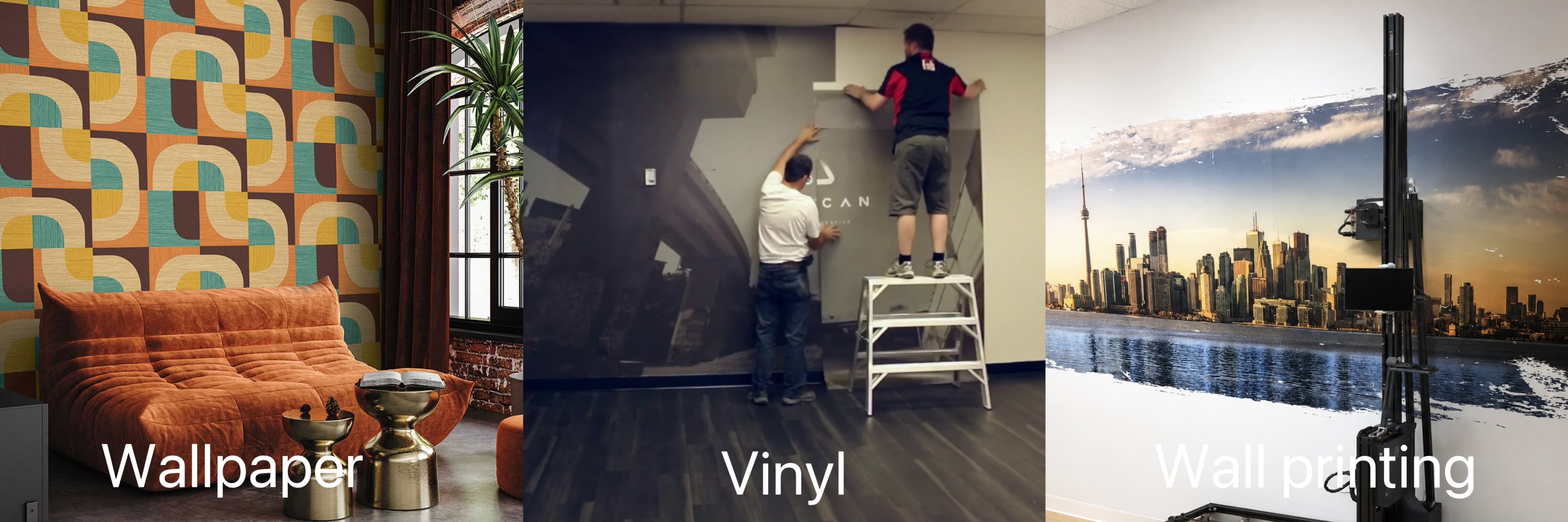
Are they buying wallpaper?
Vinyl graphics?
Hand-painted murals?
Printed panels?
How often do they renovate?
Would direct-to-wall customization solve a real problem for them?
You do not need a long list of signed customers before purchasing a printer.
But you should be able to clearly identify who is likely to buy your first 10–20 projects.
A wall printing business becomes much riskier when the plan is:
“Buy the machine first and figure out the customers later.”
It becomes much stronger when the plan is:
“I already know which customers I will approach, what applications I will sell, and approximately how many projects I need each month to break even.”
Conclusion
A wall printing business can absolutely be profitable in 2026—but profitability comes from selling projects, not owning equipment.
The strongest businesses usually have four things working together:
Reasonable equipment investment, profitable project pricing, controlled operating costs, and a consistent pipeline of customers.
For startups, the biggest opportunity is often not squeezing a few more square meters per hour out of the printer.
It is developing repeat relationships with restaurants, retailers, offices, hotels, schools, interior designers, renovation contractors, and other businesses that can provide ongoing projects.
Before investing, calculate your break-even point.
Know your average contribution margin.
Know how many projects you need each month.
Then ask yourself the most important question:
Can I realistically generate that number of projects in my local market?
If the answer is yes, the economics of a wall printer business can be very attractive.
If the answer is uncertain, validate demand before increasing your equipment investment.
Planning to start a wall printing business? Send WallPrintGear your target customer types, typical mural sizes, expected monthly workload, delivery country, and total startup budget. The team can help you evaluate a suitable printer configuration, estimate the operating requirements, and arrange a sample print before you invest.